
How to Identify Safe and Licensed Bitcoin Casinos in Canada: A 2026 Player Protection Guide
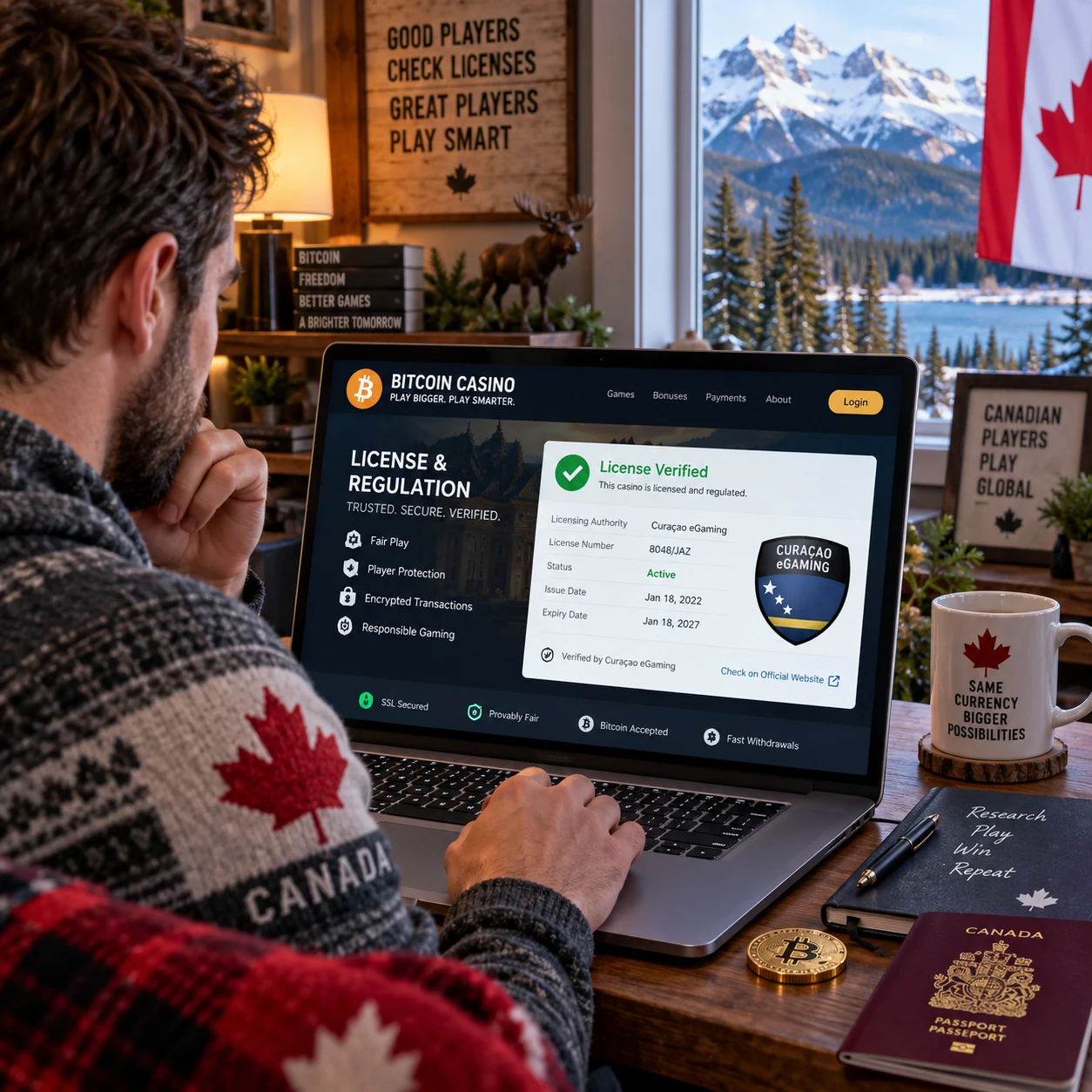
Crypto gambling has blown up across Canada these past couple of years — and I've watched way more friends and readers get curious about trying it than I ever expected. Makes sense, honestly. Faster withdrawals, lower fees, a bit of anonymity that traditional banking just can't touch. But growth like that drags along a flood of sketchy new platforms too, and not all of them play fair. Some are outright scams wearing slick websites and fake trust badges like a costume. My goal here's simple: help you tell a legitimate, licensed Bitcoin casino from a shady operator before you ever send a single satoshi.
What Makes a Bitcoin Casino 'Safe' in Canada?
Safety here isn't a vibe. It isn't a nice homepage either. It comes down to a handful of concrete things — proper licensing from a recognized gambling authority, provably fair gaming tech, encrypted and auditable transactions, and ongoing regulatory compliance that doesn't just stop after launch day.
And here's the part people forget: because Bitcoin transactions are pseudonymous rather than fully anonymous, the burden of due diligence actually shifts more heavily onto you, the player. There's no bank stepping in to reverse a fraudulent charge or flag something weird on your behalf. Once your crypto leaves your wallet, it's gone — unless the platform's operating honestly in the first place.
The Role of Blockchain Transparency
One underrated advantage of crypto gambling? The blockchain ledger itself. Every transaction gets recorded publicly, so you can actually trace deposits, withdrawals, and even verify the randomness behind game outcomes using cryptographic hashes. This 'provably fair' system lets you independently confirm a slot spin or dice roll wasn't rigged after the fact — something you simply can't pull off at a traditional online casino, where the backend's basically a black box.
It's not a silver bullet against fraud. I want to be clear about that. But it does add a layer of trust that just didn't exist a decade ago.
Licensing Jurisdictions That Matter for Canadian Players
Not all gambling licenses carry the same weight — not even close. For Canadians specifically, a few jurisdictions keep coming up again and again: the Malta Gaming Authority (MGA), Curacao eGaming, and the Kahnawake Gaming Commission.
The Kahnawake Gaming Commission deserves special mention here. It's based on Mohawk Territory within Quebec, which means it's actually situated on Canadian soil, and it's licensed online gambling operators since the late 1990s. Each regulator has different requirements, too. MGA tends to be the strictest, demanding regular audits and player fund segregation. Curacao, historically, has had a lighter touch — though reforms are tightening that up now.
Red Flags of Unlicensed or Fake Operators
Spotting a fake license gets a lot easier once you know what you're looking for. Watch out for:
- No visible license number anywhere on the site, or one that's buried in tiny footer text
- A 'verify license' link that doesn't actually lead back to the regulator's official database
- Missing audit certifications from independent testing labs
- Terms-of-service pages that look copy-pasted from another casino, sometimes with the wrong brand name still sitting right there in the text
Verifying Legitimacy Before You Deposit
Before you fund any account, run through a quick verification checklist. Cross-check the license number directly on the regulator's own website rather than trusting a logo plastered on the casino's homepage — logos can be faked, but regulator databases can't. Look for independent audit reports from organizations like eCOGRA or iTech Labs, which test game fairness and payout percentages.
It's also worth spending ten minutes on Reddit or dedicated gambling forums, searching the casino's name alongside words like 'withdrawal' or 'scam,' just to spot complaint patterns early. Finally, check that the site uses a valid SSL certificate and has clearly published KYC/AML policies. A casino that skips identity verification entirely? It's usually skipping other regulations too.
Using Canadian Consumer Protection Resources
Gambling-specific regulators aren't the only tool in your belt, and honestly, I think this part gets overlooked way too often. Canada also has national watchdog and law-enforcement resources that track broader financial fraud patterns — surprisingly useful here, even though they weren't built with crypto casinos specifically in mind.
Before trusting any new platform, check whether reported bitcoin casinos have faced consumer complaints through resources like ipac-amac.ca, which tracks fraud reports and public safety advisories relevant to online financial scams in Canada. Build this into your research routine. It matters more for newer or lesser-known sites that haven't built up a long track record yet — the ones you really don't have history on.

Security Features Every Safe Bitcoin Casino Should Have
Beyond licensing, specific technical safeguards separate serious operators from fly-by-night sites. Two-factor authentication should be mandatory, not optional — it protects your account even if your password gets compromised somewhere along the way. Cold wallet storage for the majority of player funds means the casino isn't keeping everything sitting in a hot wallet, vulnerable to hacks.
Provably fair algorithms, as I mentioned earlier, let you verify game outcomes independently. And responsible gambling tools — self-exclusion options, deposit limits, cooling-off periods — those show an operator's actually thinking about player wellbeing. Not just extracting as much value as possible before disappearing into the night.
Common Mistakes Canadian Players Make When Choosing a Bitcoin Casino
Even cautious players fall into predictable traps. Chasing huge welcome bonuses without reading the wagering requirements is a classic one — that '500% match bonus' often comes bundled with a 60x playthrough requirement that's nearly impossible to clear. I've seen it trip up smart people who should've known better.
Ignoring withdrawal limits is another trap. Some sites advertise fast crypto payouts but cap withdrawals so low you'll be waiting weeks just to cash out a decent win. Using unregulated peer-to-peer exchanges to fund your account adds an extra layer of risk, too — you lose any transaction protection a regulated exchange might've offered. And skipping research on payout history? That means you might not discover a casino's reputation for delayed withdrawals until it's already too late to matter.
Quick tips to sidestep all this: read bonus terms in full before claiming anything. Check withdrawal caps on the casino's FAQ page before depositing a cent. Stick to reputable exchanges like Coinbase or Shakepay for funding. And search for payout speed complaints before you commit real money — it takes five minutes and saves you weeks of frustration.
How to Report Suspicious or Unlicensed Platforms
If you run into a scam, or you suspect a platform's operating without proper licensing, document everything. Screenshots of transactions, chat logs with support, withdrawal request timestamps — all of it. Contact the relevant gaming authority directly if the casino claims to hold a license; most regulators have a complaints process built for exactly this situation.
From there, filing a report with national fraud-reporting bodies helps build a paper trail that can protect other Canadian players from falling into the same trap you nearly did. The more documentation that's out there, the easier it gets for watchdog organizations to flag repeat offenders before they burn through another round of victims.
Conclusion
Navigating the Bitcoin casino space in Canada in 2026 really comes down to one habit: verify before you trust. Check licensing against the regulator's own database — not the casino's logo. Lean on independent audit reports and community feedback. Make sure the platform's got solid security and responsible gambling features baked in from the start, not bolted on as an afterthought.
Combine that with a quick look at consumer protection resources tracking fraud reports, and you've got a solid foundation for protecting both your funds and your personal information. The crypto gambling market isn't going anywhere — and neither are the scammers trying to exploit it. But a little diligence up front goes a long way toward keeping your experience safe, and actually enjoyable.